
history
Ecaterina cea Mare a Rusiei: Viața, Domnia și Moștenirea Unei Împărătese Legendare

Published
4 months agoon
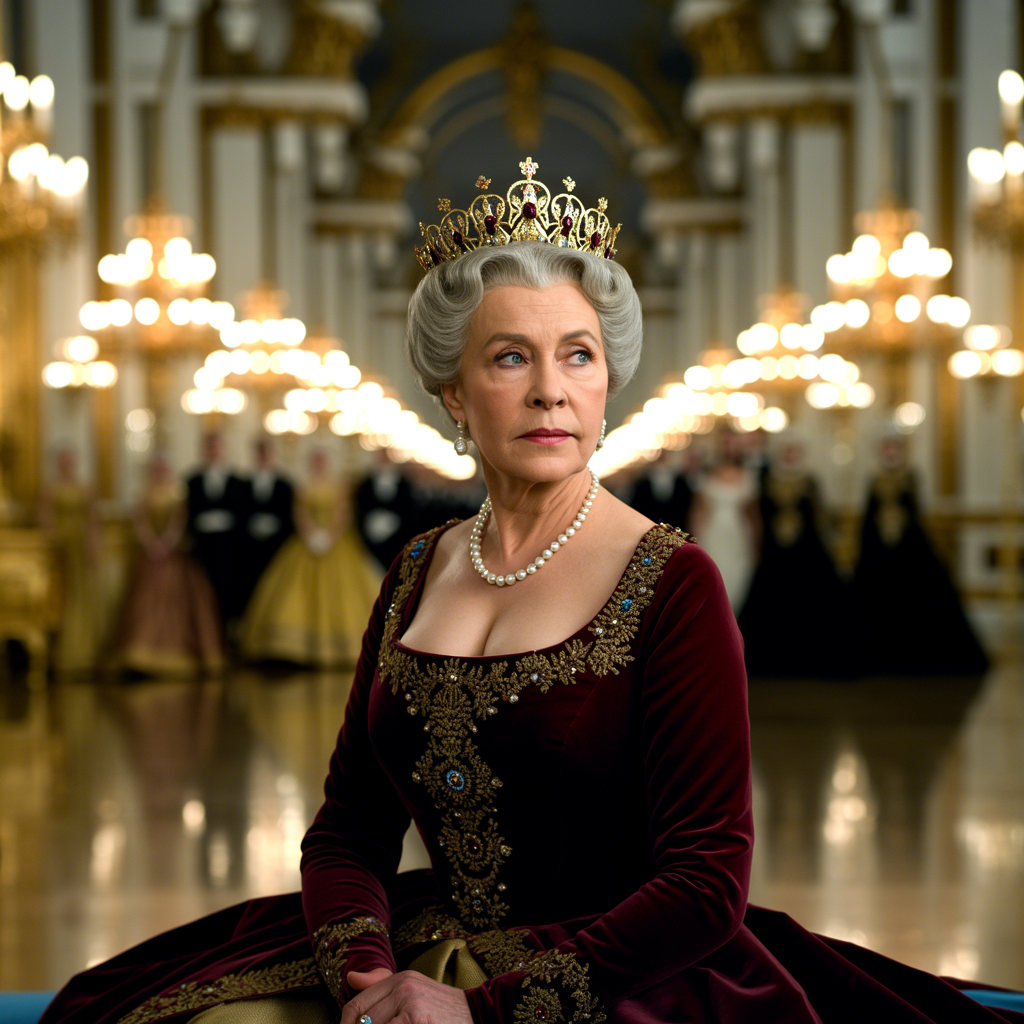
Table of Contents
ToggleEcaterina cea Mare a Rusiei este considerată una dintre cele mai importante și influente personalități din istoria Europei. Domnia sa, care a durat între 1762 și 1796, a reprezentat o perioadă de expansiune teritorială, reforme administrative și dezvoltare culturală fără precedent pentru Imperiul Rus. Deși s-a născut în afara Rusiei, Ecaterina a reușit să devină una dintre cele mai respectate împărătese din istorie, transformând statul rus într-o mare putere europeană. În acest articol vei descoperi biografia completă a Ecaterinei cea Mare, reformele sale, realizările importante și impactul pe care l-a avut asupra istoriei mondiale.
Cine a fost Ecaterina cea Mare?
Ecaterina cea Mare s-a născut la 2 mai 1729, în orașul Stettin, aflat atunci în Regatul Prusiei. Numele ei la naștere era Sophie Friederike Auguste von Anhalt-Zerbst. Provenea dintr-o familie nobiliară germană și a primit o educație aleasă, bazată pe studiul limbilor străine, filozofiei și istoriei. Aceste cunoștințe au contribuit la formarea unei personalități puternice și ambițioase, care avea să joace un rol major în istoria Europei.
În adolescență a fost aleasă pentru a se căsători cu viitorul împărat al Rusiei, Petru al III-lea. După convertirea la religia ortodoxă, a primit numele Ecaterina. Relația dintre cei doi nu a fost una fericită, iar în anul 1762, în urma unei lovituri de stat, Ecaterina a preluat tronul Rusiei, devenind împărăteasă.
Domnia Ecaterinei cea Mare
Perioada în care Ecaterina cea Mare a condus Rusia este adesea descrisă drept una dintre cele mai prospere din istoria imperiului. Ea a urmărit modernizarea administrației, întărirea armatei și dezvoltarea economiei. Inspirată de ideile iluminismului, împărăteasa a încercat să reformeze sistemul juridic și să promoveze educația. A menținut corespondență cu filosofi europeni renumiți și a susținut dezvoltarea artelor, literaturii și științei.
Sub conducerea sa, Imperiul Rus și-a consolidat poziția pe scena internațională și a devenit unul dintre cele mai puternice state europene.
Reformele Ecaterinei cea Mare
Ecaterina a introdus numeroase reforme menite să modernizeze administrația imperiului. Ea a reorganizat provinciile pentru o administrare mai eficientă, a sprijinit dezvoltarea orașelor și a încurajat comerțul. De asemenea, a susținut înființarea școlilor și promovarea educației pentru diferite categorii sociale, contribuind la răspândirea cunoștințelor și la dezvoltarea intelectuală a țării.
În domeniul culturii, Ecaterina a fost un important mecena. A colecționat opere de artă și a sprijinit dezvoltarea muzeelor și bibliotecilor, contribuind la transformarea Rusiei într-un centru cultural important.
Expansiunea Imperiului Rus
Unul dintre cele mai importante obiective ale Ecaterinei a fost extinderea teritoriului Rusiei. În timpul domniei sale, imperiul a anexat teritorii importante în urma războaielor cu Imperiul Otoman și a participat la împărțirile Poloniei. Aceste succese militare au oferit Rusiei acces extins la Marea Neagră și au consolidat influența sa în Europa de Est.
Expansiunea teritorială a avut efecte economice și strategice importante, facilitând comerțul și întărind poziția geopolitică a imperiului.
Moștenirea Ecaterinei cea Mare
Moștenirea Ecaterinei cea Mare rămâne impresionantă. Ea a transformat Rusia într-o mare putere europeană și a pus bazele dezvoltării culturale și administrative pentru generațiile următoare. Deși unele reforme au fost limitate, iar inegalitățile sociale au continuat să existe, impactul domniei sale asupra istoriei Rusiei este incontestabil.
Istoricii o consideră una dintre cele mai importante femei conducătoare din toate timpurile, iar influența sa poate fi observată în evoluția politică și culturală a Rusiei.
Curiozități despre Ecaterina cea Mare
Ecaterina era pasionată de lectură și de filozofie. A corespondat cu gânditori ai Iluminismului și a sprijinit publicarea unor lucrări importante. De asemenea, a contribuit la dezvoltarea colecțiilor de artă care stau la baza unora dintre cele mai renumite muzee din Rusia. Personalitatea sa complexă, inteligența și ambiția au făcut din ea una dintre cele mai fascinante figuri istorice.
Concluzie
Ecaterina cea Mare a Rusiei a schimbat profund destinul Imperiului Rus prin reforme, dezvoltare culturală și extindere teritorială. Domnia sa a reprezentat o perioadă de consolidare a puterii statului și de apropiere de valorile intelectuale ale Europei. Astăzi, numele său este asociat cu leadershipul, modernizarea și transformarea unei națiuni într-o mare putere. Studierea vieții și realizărilor sale oferă o perspectivă valoroasă asupra istoriei Europei și a rolului pe care un lider vizionar îl poate avea în evoluția unei țări.
Întrebări frecvente (FAQ)
1. Cine a fost Ecaterina cea Mare a Rusiei?
Ecaterina cea Mare a fost împărăteasa Rusiei între 1762 și 1796 și una dintre cele mai influente conducătoare din istoria Europei.
2. Unde s-a născut Ecaterina cea Mare?
S-a născut în Stettin, în fostul Regat al Prusiei, într-o familie nobiliară germană.
3. Care au fost cele mai importante realizări ale Ecaterinei cea Mare?
A modernizat administrația, a promovat educația și cultura, a extins teritoriul Imperiului Rus și a consolidat statutul Rusiei ca mare putere europeană.
4. De ce este importantă Ecaterina cea Mare în istorie?
Este importantă pentru reformele sale, expansiunea Imperiului Rus și sprijinul acordat culturii și ideilor Iluminismului.
5. Cât timp a domnit Ecaterina cea Mare?
A domnit timp de aproximativ 34 de ani, din 1762 până în 1796.
6. Ce moștenire a lăsat Ecaterina cea Mare?
A lăsat un imperiu mai puternic, mai influent și mai dezvoltat din punct de vedere administrativ, cultural și politic, iar domnia sa este considerată una dintre cele mai importante din istoria Rusiei.
You may like
history
The Complete History of the Ukulele: From Portugal to Hawaii
Published
4 months agoon
July 6, 2026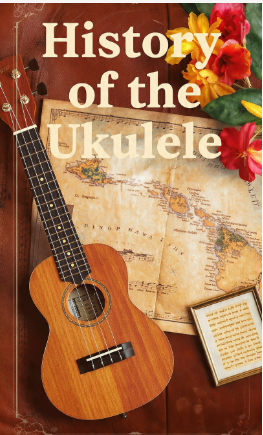
Table of Contents
Toggle
The history of the ukulele is one of migration, cultural exchange, creativity, and musical innovation. Although the ukulele is widely recognized as a symbol of Hawaiian culture, its roots extend far beyond the Hawaiian Islands. The instrument evolved from small Portuguese string instruments brought to Hawaii by immigrants during the late nineteenth century. Over time, local craftsmen refined its design, Hawaiian musicians embraced its cheerful sound, and the instrument became a defining part of Hawaiian music and culture. Today, the ukulele is played by millions of people worldwide ukulele history, from beginners learning their first chords to professional musicians performing on international stages. Understanding the , its origins, development, and global influence provides valuable insight into why this small four-string instrument continues to inspire musicians across generations.
What Is a Ukulele?
A ukulele is a compact, four-stringed musical instrument belonging to the lute family. It is known for its warm, bright, and cheerful tone, making it suitable for a wide range of musical styles including Hawaiian, folk, pop, jazz, country, and classical music. While the modern ukulele comes in soprano, concert, tenor, baritone, and bass sizes, its traditional design originated in Hawaii during the late 1800s. Its lightweight construction, comfortable playing style, and relatively simple chord system have made it one of the most accessible instruments for musicians of all ages. Today, the ukulele is considered one of the easiest string instruments to learn, contributing significantly to its worldwide popularity.
The Portuguese Origins of the Ukulele
Despite its strong association with Hawaii, the ukulele’s earliest roots trace back to the Portuguese island of Madeira. During the nineteenth century, economic hardships encouraged many Portuguese families to migrate overseas in search of better opportunities. In 1879, thousands of Portuguese immigrants traveled to Hawaii to work on sugar plantations, bringing with them small stringed instruments known as the machete, braguinha, and rajão. These instruments featured a compact body, gut strings, and bright tonal qualities that closely resembled what would later become the ukulele.
The Portuguese immigrants entertained fellow passengers during their long ocean voyage with lively performances. Upon arriving in Hawaii, local residents were captivated by both the energetic music and the remarkable speed with which the musicians moved their fingers across the fretboard. This introduction marked the beginning of the ukulele’s remarkable transformation from a European folk instrument into a uniquely Hawaiian creation.
How the Ukulele Was Created in Hawaii
Although inspired by Portuguese instruments, the ukulele itself was developed in Hawaii through the craftsmanship of skilled immigrant instrument makers. Three Portuguese craftsmen—Manuel Nunes, Augusto Dias, and José do Espírito Santo—are widely credited with producing the first Hawaiian-made ukuleles. They adapted traditional European designs to suit local musical tastes, resulting in an instrument with four strings, a smaller body, and a distinctively bright sound.
Hawaiian musicians quickly embraced the instrument because it complemented traditional singing styles and local musical traditions. The ukulele became more than a musical instrument; it evolved into an important symbol of Hawaiian identity and artistic expression.
Why Is It Called the Ukulele?
The word ukulele comes from the Hawaiian language and is commonly translated as “jumping flea.” According to popular tradition, the nickname referred to the rapid movement of a musician’s fingers across the strings, which resembled the quick movements of a flea. Another interpretation suggests the name honored an English army officer whose energetic playing style inspired the term. While historians continue to debate the exact origin of the name, the “jumping flea” explanation remains the most widely accepted and has become part of the instrument’s enduring charm.
The Role of King Kalākaua
One of the most significant moments in ukulele history occurred during the reign of King David Kalākaua, often called the “Merrie Monarch.” A passionate supporter of Hawaiian arts, music, dance, and culture, he encouraged the use of the ukulele during royal celebrations and public performances. His patronage elevated the instrument’s status and helped establish it as an essential component of Hawaiian musical traditions. Because of his influence, the ukulele became closely associated with Hawaiian identity and was showcased at important cultural events throughout the islands.
The Global Spread of the Ukulele
The ukulele first gained widespread international recognition during the 1915 Panama-Pacific International Exposition held in San Francisco. Hawaiian musicians performed throughout the exhibition, introducing audiences to Hawaiian music and the ukulele’s distinctive sound. Visitors became fascinated with the instrument, leading to a surge in demand across the United States.
During the 1920s and 1930s, manufacturers began mass-producing affordable ukuleles, making them accessible to households throughout America. The instrument appeared in schools, community music programs, and popular entertainment. Radio broadcasts, recordings, and Hollywood films further accelerated its popularity, transforming the ukulele into one of the world’s most recognizable musical instruments.
The Ukulele During the Mid-Twentieth Century
Although the ukulele experienced tremendous success during the early twentieth century, its popularity declined somewhat after the rise of electric guitars and rock music during the 1950s and 1960s. However, the instrument never disappeared completely. Music educators continued using it because of its affordability and ease of learning, while Hawaiian musicians preserved its cultural significance through traditional performances and festivals.
Television personalities and entertainers also kept the ukulele in the public eye, ensuring that new generations remained familiar with its distinctive sound.
The Modern Ukulele Revival
The early twenty-first century witnessed an extraordinary revival of the ukulele. Influential musicians introduced the instrument to new audiences through concerts, recordings, and online performances. Viral videos, YouTube tutorials, and social media platforms encouraged millions of beginners to start learning the instrument. Music schools, online courses, and local communities embraced the ukulele because it offers a gentle learning curve while allowing players to perform songs quickly.
Today, professional musicians use the ukulele across genres including pop, jazz, indie, blues, classical, and contemporary worship music. Manufacturers have also introduced innovative materials, improved craftsmanship, and electronic pickup systems that have expanded the instrument’s versatility.
Types of Ukuleles
Modern ukuleles are available in several sizes designed to accommodate different playing styles and tonal preferences.
- Soprano: Traditional size with the classic bright Hawaiian sound.
- Concert: Slightly larger for improved comfort and fuller tone.
- Tenor: Popular among professional performers due to its increased volume and sustain.
- Baritone: Tuned differently and produces a deeper, richer sound.
- Bass Ukulele: Designed to replicate bass guitar frequencies while maintaining a compact body.
Each variation contributes to the instrument’s continuing evolution and demonstrates the remarkable versatility of the ukulele.
Cultural Importance of the Ukulele
The ukulele represents much more than a musical instrument. It symbolizes Hawaiian hospitality, cultural pride, creativity, and community. Festivals, educational programs, family gatherings, and international concerts continue to celebrate its role in bringing people together through music. Beyond Hawaii, the ukulele has become an instrument of inclusion because it is accessible to beginners while still offering endless possibilities for advanced musicians.
Why the Ukulele Remains Popular Today
Several factors explain why the ukulele continues to attract musicians around the world. Its compact size makes it highly portable, while its relatively simple chord system allows beginners to play recognizable songs quickly. The instrument is affordable compared to many other string instruments, making it an excellent choice for students and hobbyists. Its cheerful sound complements numerous musical genres, and the availability of online lessons has made learning more convenient than ever before. As a result, the ukulele enjoys sustained popularity among players of all ages and skill levels.
Conclusion
The ukulele history reflects a remarkable journey across continents and cultures. What began as a family of small Portuguese instruments evolved into one of Hawaii’s most cherished cultural symbols before becoming a globally celebrated musical instrument. From its introduction by Portuguese immigrants to its adoption by Hawaiian musicians, royal endorsement, international exposure, and modern revival, the ukulele has demonstrated extraordinary resilience and universal appeal. Today it continues to unite people through music, creativity, and cultural appreciation, ensuring that its rich legacy will inspire future generations.
Frequently Asked Questions (FAQs)
1. Where did the ukulele originate?
The ukulele originated in Hawaii during the late 1800s and was inspired by Portuguese instruments brought by immigrants from Madeira.
2. Why is the ukulele associated with Hawaii?
Hawaiian musicians adopted, refined, and popularized the instrument, making it a lasting symbol of Hawaiian culture.
3. What does the word “ukulele” mean?
The most common translation is “jumping flea,” referring to the quick movement of a player’s fingers.
4. Who invented the ukulele?
The modern ukulele was developed in Hawaii by Portuguese immigrant craftsmen, including Manuel Nunes, Augusto Dias, and José do Espírito Santo.
5. When did the ukulele become popular worldwide?
Its international popularity grew rapidly after the 1915 Panama-Pacific International Exposition in San Francisco.
6. What are the main types of ukuleles?
The primary types are soprano, concert, tenor, baritone, and bass ukuleles.
7. Why is the ukulele easy to learn?
Its four strings, comfortable size, and straightforward chord shapes make it beginner-friendly.
8. Is the ukulele still popular today?
Yes. The ukulele remains popular worldwide due to its affordability, portability, versatility, and strong online learning community.

2000 Subaru Impreza: Specs, Features, Performance, Reliability, and Buying Guide

Emerson Day Get Behind Me Lyrics: Meaning, Message, and Complete Song Guide

Mayci Neeley: Biography, Career, Personal Life, and Latest Updates

Кубок європейських чемпіонів: Історія, переможці, рекорди та шлях до сучасної Ліги чемпіонів

Comfortable Harness: The Complete Guide to Choosing the Perfect Fit Introduction

Cute Anime Wallpaper: The Ultimate Guide to Beautiful HD and 4K Backgrounds
Trending
 Tech4 months ago
Кубок європейських чемпіонів: Історія, переможці, рекорди та шлях до сучасної Ліги чемпіонів
- Fashion4 months ago
Comfortable Harness: The Complete Guide to Choosing the Perfect Fit Introduction
- Tech4 months ago
Cute Anime Wallpaper: The Ultimate Guide to Beautiful HD and 4K Backgrounds
- Tech4 months ago
God Wallpaper: HD, 4K, Beautiful Spiritual Backgrounds for Mobile & Desktop
- NEWS4 months ago
Billy Mary Ryan Ravenel: Everything You Need to Know About His Life and Family
- location4 months ago
929 Area Code: Location, Coverage, History, and Everything You Need to Know
- Business4 months ago
How to Change a Tire: The Complete Step-by-Step Guide for Beginners
- life style3 months ago
AdultTale Game Guide: Gameplay, Features, Updates, and More