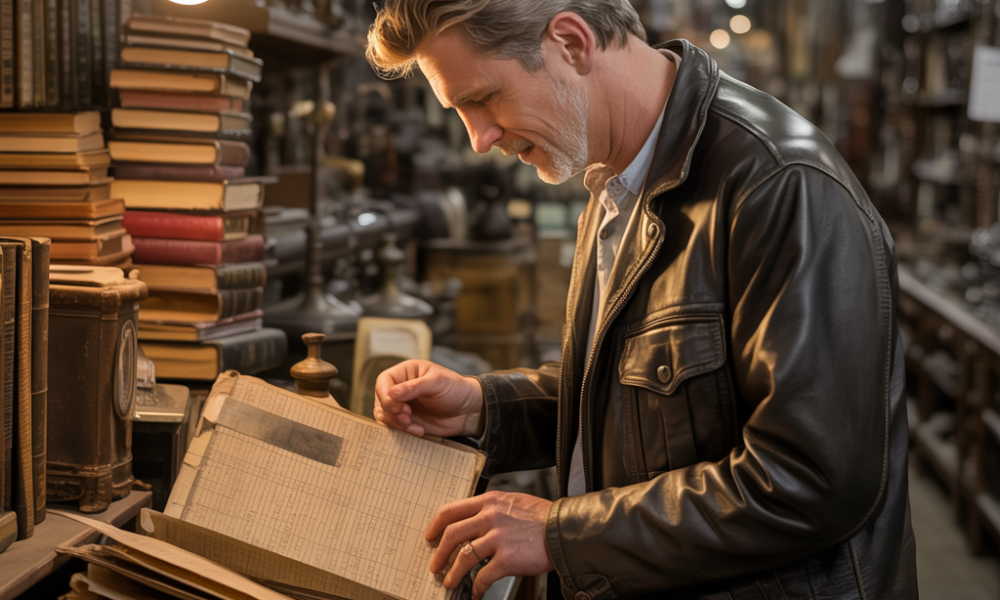
The Mike Wolfe Passion Project is much more than collecting antiques or discovering forgotten treasures. While millions of viewers recognize Mike Wolfe as the creator and host of American Pickers, his work extends well beyond television. His passion centers on preserving American history, restoring historic buildings, celebrating small-town culture, and giving overlooked artifacts a new purpose. Over the years, he has inspired people to appreciate the stories hidden inside vintage objects and historic places rather than simply viewing them as collectibles.
What makes the Mike Wolfe Passion Project unique is its emphasis on storytelling. Every old motorcycle, vintage sign, weathered barn, and historic storefront represents a piece of America’s cultural heritage. Instead of allowing these items and locations to disappear, Wolfe advocates for restoration and preservation, believing they connect present generations with the past. This article explores his passion project, its goals, its impact, and why it continues to inspire history enthusiasts, collectors, and communities across the United States.
Who Is Mike Wolfe?
Mike Wolfe is an American television personality, entrepreneur, antique collector, author, and preservation advocate. He rose to national fame through American Pickers, where he traveled across the United States searching for forgotten antiques and collectibles. However, his career has always reflected a deeper appreciation for craftsmanship, history, and the stories behind everyday objects.
Long before appearing on television, Wolfe spent years exploring rural roads, meeting collectors, and rescuing items that might otherwise have been discarded. That lifelong curiosity became the foundation of his broader mission to preserve America’s heritage.
Understanding the Mike Wolfe Passion Project
The Mike Wolfe Passion Project focuses on preserving history through restoration, education, and community involvement. Instead of emphasizing monetary value, Wolfe highlights the cultural and historical significance of antiques, vintage architecture, and forgotten landmarks.
His work encourages people to view preservation as an investment in the future. Restoring an old building, saving vintage signs, or documenting local history protects stories that might otherwise be lost. Through these efforts, Wolfe demonstrates that preserving history benefits communities, supports tourism, and strengthens local identity.
Preserving Historic Buildings
One of the defining aspects of Wolfe’s work is his commitment to restoring historic structures. Rather than replacing aging buildings with modern developments, he advocates giving them new life while respecting their original character.
Historic restorations often become community gathering places, local businesses, museums, or cultural landmarks. These projects preserve architectural heritage while creating economic opportunities for surrounding neighborhoods. Wolfe has frequently emphasized that preserving history is about honoring craftsmanship and maintaining a tangible connection to earlier generations.
Why Small-Town America Matters
A recurring theme in the Mike Wolfe Passion Project is the importance of small towns. Many communities possess unique histories reflected in their architecture, businesses, traditions, and residents. Wolfe believes these places deserve recognition and investment.
Small towns often contain family-owned businesses, historic downtown districts, and generations of local stories. By encouraging preservation and revitalization, Wolfe helps highlight their cultural significance and the value they bring to the broader American landscape.
Antique Collecting as Historical Preservation
Collecting antiques is frequently associated with financial value, but Wolfe approaches it differently. He believes every object tells a story about the people who made, used, or preserved it.
Vintage motorcycles reveal engineering innovations. Old advertising signs reflect changing consumer culture. Farm equipment documents agricultural development. Household items illustrate everyday life from previous generations. Through collecting and preserving these artifacts, history becomes accessible in a personal and meaningful way.
Education Through Storytelling
Storytelling is central to the Mike Wolfe Passion Project. Rather than presenting antiques as isolated objects, Wolfe explores their historical context and the lives connected to them.
This educational approach encourages audiences to appreciate craftsmanship, understand historical events, and recognize the importance of preserving cultural heritage. By making history engaging and relatable, he inspires viewers to become active participants in protecting local history.
Community Revitalization
Historic preservation often contributes to economic development. Restored buildings attract visitors, create jobs, encourage investment, and support tourism. Communities that celebrate their heritage frequently experience renewed interest from residents and entrepreneurs.
Wolfe’s advocacy demonstrates that preservation and progress can work together. Instead of erasing the past, communities can adapt historic spaces for modern use while maintaining their unique identity.
Lessons from the Mike Wolfe Passion Project
Several valuable lessons emerge from Wolfe’s work:
History exists in everyday objects and places.
Preservation protects cultural identity.
Small communities deserve investment and recognition.
Restoration supports economic growth.
Storytelling helps future generations understand the past.
Sustainable reuse often has environmental benefits.
Heritage connects people across generations.
These ideas have inspired collectors, homeowners, local historians, and preservation organizations alike.
The Lasting Impact
The influence of the Mike Wolfe Passion Project extends beyond television. It has encouraged thousands of people to appreciate antiques, restore historic buildings, research local history, and support preservation efforts in their own communities.
By emphasizing the stories behind forgotten places and objects, Wolfe has helped shift public attention from simple collecting to meaningful conservation. His work demonstrates that preserving history is not merely about nostalgia but about protecting cultural resources that enrich future generations.
Conclusion
The Mike Wolfe Passion Project represents a commitment to preserving America’s history through antiques, architecture, storytelling, and community revitalization. While many know Mike Wolfe from American Pickers, his broader mission is to ensure that historic places and objects continue to educate and inspire. His efforts remind us that every artifact, building, and small town contributes to the larger story of the nation. Supporting preservation means honoring craftsmanship, celebrating local culture, and creating opportunities for future generations to learn from the past.
Frequently Asked Questions
What is the Mike Wolfe Passion Project?
The Mike Wolfe Passion Project refers to his ongoing efforts to preserve American history through antique collecting, historic building restoration, storytelling, and community revitalization.
Why is Mike Wolfe interested in historic preservation?
He believes historic places and objects preserve valuable stories about American culture, craftsmanship, and everyday life that should not be lost.
Is the Mike Wolfe Passion Project connected to American Pickers?
Yes. While American Pickers introduced many viewers to antique collecting, Wolfe’s preservation work extends beyond the television series into restoration projects, advocacy, and education.
What types of items does Mike Wolfe preserve?
His interests include vintage motorcycles, advertising signs, antique tools, architectural features, historic buildings, Americana, and other artifacts with historical significance.
Why is preserving small-town history important?
Small towns often contain unique architecture, traditions, and local stories. Preserving them strengthens community identity, supports tourism, and helps protect cultural heritage.
What can people learn from Mike Wolfe’s Passion Project?
The project encourages people to value history, restore rather than replace, support local preservation efforts, appreciate craftsmanship, and recognize the importance of protecting cultural heritage for future generations.