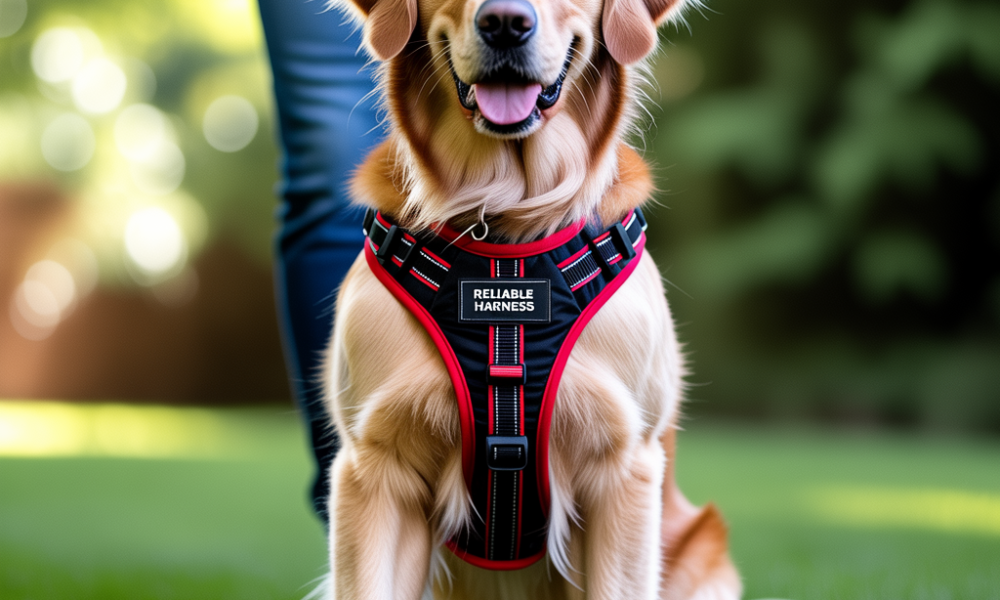
A reliable harness is an essential piece of equipment designed to improve safety, comfort, and control in many different situations. Whether you need a harness for construction work, rock climbing, rescue operations, pet walking, industrial environments, or recreational activities, selecting a high-quality product is one of the most important decisions you can make. A dependable harness not only protects the user but also increases confidence, mobility, and overall performance. As technology and manufacturing continue to improve, today’s harnesses offer stronger materials, better weight distribution, advanced adjustment systems, and enhanced durability, making them safer and more comfortable than ever before.
Finding the best reliable harness involves much more than comparing prices. Buyers should evaluate the intended purpose, material quality, certifications, comfort features, adjustment mechanisms, load capacity, maintenance requirements, and manufacturer reputation. Understanding these factors helps ensure you invest in equipment that provides long-term reliability and excellent protection. This guide explains everything you need to know so you can confidently choose the right harness for your needs.
What Is a Reliable Harness?
A reliable harness is a safety device designed to distribute force evenly across the strongest parts of the body while providing secure attachment points. Harnesses are used in numerous industries and activities because they reduce the risk of injury and improve stability during demanding tasks. Depending on the application, a harness may support fall protection, climbing, rescue work, pet control, tactical operations, or recreational sports. Reliability comes from careful engineering, premium materials, strong stitching, durable buckles, and compliance with recognized safety standards.
The best harnesses are designed to perform consistently under repeated use. Manufacturers test them extensively for strength, abrasion resistance, weather durability, and load capacity to ensure dependable performance in real-world conditions.
Why Choosing a Reliable Harness Matters
Using a reliable harness significantly reduces safety risks. Inferior products may wear out quickly, have weak stitching, or fail under stress, potentially leading to accidents. A quality harness improves user confidence because it fits securely, distributes pressure comfortably, and maintains stability during movement. Whether someone is working at height, climbing mountains, walking an energetic dog, or participating in adventure sports, dependable equipment can make a substantial difference in both safety and performance.
Comfort also plays an important role. A properly designed harness minimizes pressure points, reduces fatigue, and allows greater freedom of movement. Users who wear harnesses for extended periods benefit from padded straps, breathable materials, ergonomic designs, and multiple adjustment points.
Different Types of Reliable Harnesses
Reliable harnesses are available in several categories, each created for specific purposes. Full-body safety harnesses are commonly used in construction, telecommunications, roofing, and industrial work where fall protection is required. Climbing harnesses are lightweight while providing excellent support and mobility for mountaineering and indoor climbing. Rescue harnesses include additional attachment points for emergency response situations. Tactical harnesses are designed for military, law enforcement, and specialized operations where durability is essential. Dog harnesses provide secure control during walks, training sessions, hiking, and travel while improving comfort compared to traditional collars.
Choosing the correct type ensures optimal performance because every design addresses unique safety requirements.
Features of the Best Reliable Harness
Several characteristics distinguish premium harnesses from lower-quality alternatives. High-strength materials such as reinforced nylon and polyester provide exceptional durability while resisting abrasion and environmental damage. Heavy-duty buckles and corrosion-resistant metal hardware increase long-term reliability. Adjustable shoulder, chest, and leg straps allow users to achieve a customized fit that improves comfort and stability.
Additional features include breathable padding, reflective strips for visibility, multiple attachment points, reinforced stitching, lightweight construction, quick-release buckles, and certified safety testing. These features combine to provide a dependable solution suitable for demanding environments.
How to Choose the Right Reliable Harness
Selecting the right harness begins by identifying its intended use. A construction worker requires different features than a climber or dog owner. Buyers should carefully review sizing information to ensure proper fit because an incorrectly sized harness can reduce safety and comfort. Material quality should always be a priority since stronger fabrics and reinforced stitching improve durability. Checking safety certifications helps confirm that the harness meets recognized testing standards.
Reading customer reviews and comparing manufacturer warranties also provide valuable insights into long-term reliability. Spending slightly more on a trusted product often results in better safety, greater durability, and lower replacement costs.
Proper Care and Maintenance
Routine maintenance extends the lifespan of any reliable harness. Users should inspect straps, buckles, stitching, and attachment points before every use. Dirt, chemicals, moisture, and prolonged exposure to sunlight may gradually weaken materials if proper cleaning and storage practices are ignored. Always follow the manufacturer’s maintenance recommendations and replace the harness immediately if any signs of excessive wear or structural damage appear. Proper inspection and storage help ensure the harness remains dependable whenever it is needed.
Benefits of Investing in a Reliable Harness
Purchasing a reliable harness provides long-term value through improved safety, greater comfort, enhanced durability, and dependable performance. High-quality harnesses reduce the likelihood of equipment failure while increasing user confidence during demanding activities. Their ergonomic designs improve mobility, minimize fatigue, and provide better weight distribution, making them suitable for prolonged use. Reliable equipment often lasts significantly longer than inexpensive alternatives, making it a cost-effective investment over time.
Conclusion
Choosing a reliable harness is an investment in safety, comfort, and long-term performance. Whether the harness is intended for industrial work, climbing, rescue operations, sports, or pet care, selecting a well-designed product made from premium materials helps ensure dependable protection. Evaluating quality, fit, adjustability, certifications, and maintenance requirements allows buyers to make informed decisions that provide lasting value. By understanding the key features and following proper inspection and care practices, users can confidently rely on their harness whenever safety matters most.
Frequently Asked Questions (FAQ)
1. What is a reliable harness?
A reliable harness is a well-designed safety device made from durable materials that provides secure support, comfort, and dependable performance for specific activities.
2. How do I know if a harness is high quality?
Look for strong materials, reinforced stitching, adjustable straps, quality hardware, positive customer reviews, and recognized safety certifications where applicable.
3. How often should a harness be inspected?
Inspect it before every use and perform more thorough inspections according to the manufacturer’s recommendations.
4. Can one harness be used for every purpose?
No. Harnesses are designed for specific uses such as fall protection, climbing, pet handling, or rescue work. Always choose one intended for your activity.
5. How long does a reliable harness last?
Its lifespan depends on usage, storage, environmental conditions, and maintenance. Replace it immediately if it shows damage, excessive wear, or no longer meets the manufacturer’s safety recommendations.
6. Why is proper fit important?
A properly fitted harness improves comfort, distributes force correctly, reduces fatigue, and helps ensure the harness functions as intended during use.