study
WordReference French: The Complete Guide to French Translation, Vocabulary, Grammar, and Language Learning

Published
2 months agoon
Table of Contents
ToggleWhen people are learning French, translating a French word, or trying to understand the exact meaning of an expression, finding a reliable online language resource can make the process much easier. WordReference French is a popular search term among students, travelers, teachers, translators, and anyone who wants to understand French vocabulary more accurately. Instead of relying only on a simple word-for-word translation, learners often need additional information such as different meanings, grammatical gender, verb conjugations, example sentences, pronunciation, synonyms, regional usage, and explanations of idiomatic expressions. This is why a detailed French dictionary and language reference resource can be extremely useful for both beginners and advanced learners.
The French language contains many details that are not always easy to understand through direct translation. A single French word can have several meanings depending on the context, while certain expressions may not translate naturally into English. In addition, French nouns have grammatical gender, verbs change according to tense and subject, and vocabulary can vary between formal, informal, regional, and specialized language. A resource associated with WordReference French can help users explore these differences and develop a deeper understanding of how French words and expressions are actually used. Whether you are looking for an English-to-French translation, a French-to-English definition, grammar information, or help understanding a phrase, learning how to use an online French reference tool effectively can save time and improve your language skills.
What Is WordReference French?
WordReference French generally refers to using WordReference as a resource for French-English and English-French translation, dictionary definitions, language explanations, and French learning support. It is commonly used by people who want more than a basic automatic translation. When a learner searches for a French word, the most useful information may include multiple possible translations, parts of speech, gender, examples, synonyms, related expressions, and context-specific meanings. This type of information helps users understand not only what a word can mean, but also how it functions in real communication.
One of the main advantages of using a detailed French dictionary is that it can help users recognize the difference between literal meanings and contextual meanings. For example, a French word may have one translation when used in everyday conversation and another translation in a business, legal, technical, or academic context. Similarly, an expression may sound strange if translated word by word but have a completely natural equivalent in English. This is particularly important for French learners because understanding vocabulary requires more than memorizing isolated words. By examining definitions, examples, grammatical information, and discussions about usage, learners can build a stronger understanding of the French language.
Why WordReference French Is Useful for Language Learners
One of the biggest reasons learners search for WordReference French is the need for reliable context. Translation tools can be useful for quickly understanding a sentence, but language learners often need to know why a particular word is used and whether a translation sounds natural. A dictionary and reference platform can provide a more detailed learning experience by showing different meanings and possible translations. This allows users to compare options and choose the word that best fits the sentence they are writing or reading.
Another important benefit is the ability to study vocabulary in context. When learning French, it is easy to memorize a word without understanding how native speakers use it. For example, two words may have similar English translations but differ in formality, frequency, or grammatical usage. One may be appropriate in a casual conversation, while another may be more suitable for a formal letter. Understanding these differences can help learners avoid awkward or unnatural translations. This makes an online French reference resource valuable not only for beginners but also for advanced students who want to improve accuracy and fluency.
Using WordReference French for English-to-French Translation
People who search for English to French translation often want to find the most accurate French equivalent of an English word or phrase. However, translation is rarely as simple as replacing one word with another. English and French have different sentence structures, grammatical systems, expressions, and cultural conventions. A word that has several meanings in English may require several different French translations depending on the context.
For this reason, users should consider the complete sentence rather than translating words in isolation. When searching for an English word, it is helpful to examine all available French translations and identify the one that matches the intended meaning. Learners should also pay attention to grammatical gender, part of speech, example sentences, and notes about formal or informal usage. This approach can produce more natural and accurate French writing than simply selecting the first translation that appears.
Using WordReference French for French-to-English Translation
French-to-English translation is equally important for students, travelers, and people reading French websites, books, articles, messages, and documents. When users encounter an unfamiliar French word, a detailed French dictionary can help them understand the basic definition as well as additional meanings and expressions. This is especially helpful when the word appears in a sentence with a meaning that is different from its most common dictionary translation.
French learners should also pay attention to accents and spelling because a small difference can change the meaning of a word. French includes several accented characters, and pronunciation and meaning can sometimes be affected by spelling differences. Looking up a word carefully and examining its context can help learners avoid misunderstandings. Over time, this process also helps students expand their vocabulary and become more comfortable reading French independently.
Understanding French Grammar Through a Dictionary and Reference Tool
Learning vocabulary is only one part of becoming proficient in French. Grammar is equally important, and WordReference French is often searched by learners who need help understanding how words function in a sentence. French grammar includes noun gender, adjective agreement, verb conjugation, pronouns, prepositions, articles, and several verb tenses. A dictionary entry can provide important grammatical information that may not be obvious from a simple translation.
For example, learners need to know whether a French noun is masculine or feminine because this affects articles and adjective agreement. Verbs also require special attention because their forms change according to the subject and tense. When learners look up a verb, they may need to study its infinitive form, conjugation patterns, past participles, and common expressions. This kind of information can make a significant difference when writing or speaking French because grammatical accuracy is essential for clear communication.
French Vocabulary and Learning New Words in Context
Expanding French vocabulary becomes much easier when learners study words in context. Memorizing long lists of isolated vocabulary can be useful for basic practice, but it does not always teach learners how words are actually used. A better approach is to examine example sentences, related phrases, synonyms, and common combinations. This allows learners to understand how vocabulary works naturally within the language.
For example, learning a verb together with common expressions can be more useful than memorizing the verb alone. Similarly, studying a noun with its article can help learners remember its gender. When a new word is connected to examples and real usage, it becomes easier to recognize the word while reading and use it correctly when speaking or writing. A French dictionary and language reference resource can therefore become an important part of a long-term vocabulary-building strategy.
Using French Forums for Difficult Words and Expressions
One feature that makes language reference communities particularly valuable is the ability to explore discussions about difficult translations and expressions. Sometimes a dictionary definition is not enough to answer a specific question. A learner may want to know whether a phrase sounds natural, whether a word is commonly used in France, or whether an expression has a different meaning in a particular situation.
Language forums can provide additional insight into these questions. Discussions may explain differences between similar words, regional variations, informal expressions, idioms, and difficult grammar points. However, users should always consider the context of the discussion and compare explanations with reliable dictionary information. Community discussions can be especially helpful when dealing with expressions that are difficult to translate directly.
WordReference French and French Pronunciation
Pronunciation is another important part of learning French. Many French words do not sound exactly as they appear to English speakers, and silent letters, vowel combinations, nasal sounds, and liaison can create challenges for beginners. When learning new vocabulary, it is useful to study pronunciation along with spelling and meaning.
Learners should avoid focusing only on the English translation of a French word. A complete learning process includes understanding how the word is written, what it means, how it is pronounced, and how it is used in a sentence. Combining dictionary research with listening and speaking practice can help learners develop more natural French pronunciation over time.
Common Mistakes When Using an Online French Dictionary
Although an online French dictionary can be extremely useful, learners can still make mistakes if they use it incorrectly. One common mistake is choosing the first translation without considering the context. Many French words have multiple meanings, so the first result is not always the correct one. Another mistake is translating an entire phrase word by word when the expression actually has a natural equivalent that cannot be understood literally.
Another frequent problem is ignoring grammar information. Learners may find the correct vocabulary word but use the wrong gender, verb form, preposition, or sentence structure. It is also important to distinguish between formal, informal, technical, and regional vocabulary. A word may be grammatically correct but inappropriate for a particular situation. The best way to avoid these problems is to study definitions, examples, grammar notes, and usage information together.
How Beginners Can Get the Most from WordReference French
Beginners should start by learning how to search for individual words and then gradually develop the habit of examining the complete dictionary entry. When looking up a new French noun, learners should pay attention to its gender and pronunciation. When searching for a verb, they should review the infinitive and learn the most common conjugations. For phrases and expressions, it is important to consider the complete meaning rather than translating each word separately.
Beginners can also create personal vocabulary lists based on words they encounter while reading, watching French videos, or studying lessons. Each vocabulary entry can include the French word, English meaning, grammatical information, pronunciation, and an example sentence. Reviewing these words regularly can help transform short-term recognition into long-term vocabulary knowledge.
How Advanced French Learners Can Use It
Advanced learners can use WordReference French for more detailed questions about nuance, style, idioms, and regional usage. At higher levels, learners often already know the basic translation of a word but want to understand subtle differences between similar expressions. For example, two words may both be translated into English using the same word, yet native speakers may use them in different situations.
Advanced learners can also benefit from examining discussions about idiomatic expressions and difficult translation choices. These discussions may help learners understand how French is used naturally in everyday communication. Combining dictionary research with authentic French content, such as books, news articles, podcasts, and conversations, can help advanced learners develop greater precision and confidence.
Is WordReference French Good for Learning French?
For many learners, a French reference dictionary can be a valuable supplement to formal lessons, language courses, and everyday practice. It can help users quickly investigate unfamiliar vocabulary and explore the details behind a translation. However, no single dictionary or website should be considered a complete replacement for regular reading, listening, speaking, and writing practice.
The best results come from using a reference tool as part of a broader learning strategy. Students can use it to check vocabulary, understand grammar, compare translations, and investigate expressions. They can then practice the new information through real French content and communication. This combination allows learners to move beyond simple translation and develop a deeper understanding of the language.
Tips for Better French Translation Results
To get better results when searching for a French translation, always consider the context of the word or phrase. Instead of searching only for one isolated word, try to understand the complete sentence and the intended meaning. Pay attention to whether the situation is formal, informal, academic, professional, or conversational. These details can influence which translation is most appropriate.
It is also helpful to compare multiple possible translations instead of immediately selecting the first result. Review example sentences and consider how native speakers might use the word. If the phrase is an idiom, do not assume that a literal translation will sound natural in English. Similarly, when translating from English into French, consider whether the chosen French expression is actually used naturally by French speakers.
Conclusion
WordReference French is a valuable search topic for anyone looking for French translation, vocabulary definitions, grammar information, pronunciation guidance, and language-learning support. A detailed French dictionary can provide much more than a simple translation by helping users understand context, grammatical gender, verb forms, idiomatic expressions, synonyms, and differences in usage. Whether you are a beginner learning your first French words, a student preparing for an exam, a traveler looking for practical vocabulary, or an advanced learner studying subtle differences between expressions, using a reliable French reference resource can make language learning more efficient and accurate.
The most effective way to use a resource like this is to treat it as part of a complete French-learning strategy. Look up unfamiliar words, study their meanings and examples, pay attention to grammar, listen to native French, read regularly, and practice speaking and writing. With consistent practice, a French dictionary and language reference tool can help you build a stronger vocabulary and better understand the structure and natural usage of the French language. By combining accurate reference information with real-world practice, learners can gradually improve their French translation skills, grammar knowledge, pronunciation, and overall confidence.
Frequently Asked Questions About WordReference French
What is WordReference French used for?
WordReference French is commonly used to look up French words, translations, definitions, grammar information, expressions, vocabulary, and language usage. It can help users with both French-to-English and English-to-French translation.
Is WordReference French useful for beginners?
Yes. Beginners can use a French dictionary and reference resource to learn basic vocabulary, noun gender, verb meanings, pronunciation, and common expressions. It is especially helpful when combined with French lessons and regular practice.
Can WordReference French help with grammar?
Yes. Users can often find grammatical information about French nouns, verbs, adjectives, pronouns, and expressions. Learners can also use language discussions to explore difficult grammar questions and usage differences.
Is WordReference French better than a simple translation tool?
A dictionary and reference resource can provide more detailed information than a basic word-for-word translation tool. Users may be able to explore multiple meanings, examples, grammar details, idioms, and discussions about how a word is actually used.
Can I use WordReference French for French-to-English translation?
Yes. It can be useful when reading French and trying to understand unfamiliar words, phrases, and expressions in English. Context should always be considered because many French words have multiple possible meanings.
Can it help with English-to-French translation?
Yes. When translating from English into French, users should compare possible translations and examine examples to find the word or expression that best matches the intended context.
How can I improve my French vocabulary?
Look up unfamiliar words, study them in example sentences, learn noun gender and verb forms, review vocabulary regularly, and practice reading, listening, speaking, and writing in French.
Is an online French dictionary enough to become fluent?
No single resource is enough to guarantee fluency. A dictionary can support your learning, but fluency requires consistent practice in reading, listening, speaking, writing, vocabulary, and grammar.
What is the best way to use a French translation dictionary?
The best method is to consider the full context, compare different meanings, check grammar information, study example sentences, and avoid translating idioms word for word. This approach leads to more natural and accurate French.
Why does context matter in French translation?
Many French words have multiple meanings, and the correct translation depends on how the word is used in a sentence. Context helps you choose the meaning and expression that best fits the situation.

study
ALEKS Initial Knowledge Check Answers Chemistry: The Complete Study Guide for Success
Published
1 month agoon
July 29, 2026
Table of Contents
ToggleIf you’re preparing for your college chemistry course, you’ve probably come across the ALEKS Initial Knowledge Check Answers Chemistry search term while looking for help online. The ALEKS Initial Knowledge Check is one of the most important assessments used by colleges and universities to evaluate your current understanding of chemistry concepts before assigning personalized learning modules. Rather than functioning as a traditional exam, this assessment is designed to identify what you already know and what topics require additional study. Because of this unique structure, students often wonder whether there are answer sheets available, how the questions are created, and what they should expect before taking the assessment. The truth is that succeeding on the ALEKS Knowledge Check depends far more on understanding chemistry fundamentals than memorizing answers. In this complete guide, you’ll learn how the assessment works, what topics are covered, the best preparation strategies, common mistakes to avoid, and practical tips that can help you achieve your highest possible score.
What Is the ALEKS Initial Knowledge Check?
The ALEKS Initial Knowledge Check is an adaptive online assessment used by many colleges to determine your current chemistry knowledge. Instead of presenting the same questions to every student, ALEKS adjusts the difficulty of questions based on your previous responses. Correct answers lead to more challenging questions, while incorrect answers result in easier questions that help identify your true skill level. This adaptive approach creates a personalized learning experience and ensures that students begin studying at the appropriate level.
Unlike a traditional multiple-choice exam, many ALEKS chemistry questions require students to calculate numerical answers, balance chemical equations, identify molecular structures, solve mathematical problems, and interpret scientific data. Because every student’s assessment is different, there is no universal answer key.
Why Students Search for ALEKS Initial Knowledge Check Answers
Many students become anxious before taking their chemistry placement assessment. They worry about earning a low score, delaying enrollment in their desired course, or spending extra time completing learning modules. As a result, they often search online for “ALEKS Initial Knowledge Check Answers Chemistry.”
However, it’s important to understand that ALEKS generates personalized assessments. Questions vary from student to student, making answer lists unreliable and ineffective. The best approach is to strengthen your understanding of chemistry concepts rather than relying on memorized responses.
Topics Covered in the ALEKS Chemistry Knowledge Check
Most chemistry assessments include questions from several important areas.
Atomic Structure
Students should understand protons, neutrons, electrons, atomic numbers, mass numbers, isotopes, and electron configurations. These concepts provide the foundation for nearly every chemistry topic encountered later in the course.
Periodic Table
Expect questions involving periodic trends such as atomic radius, ionization energy, electronegativity, metallic character, and electron affinity. Understanding how elements are organized helps explain their chemical behavior.
Chemical Bonding
The assessment often includes ionic bonds, covalent bonds, metallic bonds, Lewis structures, molecular geometry, and polarity. These topics explain how atoms combine to form compounds.
Chemical Reactions
Students should recognize reaction types, balance equations, identify reactants and products, predict reaction outcomes, and understand conservation of mass.
Stoichiometry
Stoichiometry is one of the most heavily tested areas. You should be comfortable converting between moles, grams, molecules, and balanced chemical equations.
Gases
Questions may include Boyle’s Law, Charles’s Law, the Ideal Gas Law, pressure, temperature, and volume relationships.
Acids and Bases
Students should understand pH, pOH, strong and weak acids, strong and weak bases, neutralization reactions, and acid-base calculations.
Thermochemistry
Expect questions involving heat transfer, enthalpy, exothermic reactions, endothermic reactions, calorimetry, and energy changes.
Solutions
This topic includes concentration calculations, molarity, dilution equations, solubility, and solution preparation.
Basic Mathematics
Chemistry relies heavily on algebra, scientific notation, fractions, unit conversions, percentages, logarithms, and dimensional analysis.
How to Prepare Effectively
Preparing for the ALEKS Chemistry Knowledge Check requires a combination of reviewing chemistry fundamentals and practicing problem-solving skills. Begin by revisiting your high school chemistry notes or introductory college chemistry materials. Focus on understanding why formulas work instead of simply memorizing them. Solve practice problems regularly, paying close attention to unit conversions, chemical equations, and stoichiometric calculations. As you identify weak areas, dedicate extra study time to those topics. Consistent practice will improve both your confidence and your ability to apply concepts during the assessment.
Common Mistakes Students Make
Many students rush through questions without reading them carefully, overlook units, make calculation errors, or rely on guessing instead of logical reasoning. Others spend too much time searching for answer keys that do not match their personalized assessment. The most successful students slow down, verify their calculations, review each answer before submitting, and concentrate on understanding chemistry concepts rather than memorizing solutions.
Can You Find Real ALEKS Chemistry Answers Online?
Because ALEKS generates individualized, adaptive assessments, websites claiming to provide complete answer keys are generally unreliable. Even if a question appears similar, your version may contain different values or require a different solution. Relying on unauthorized answer collections can leave gaps in your understanding and may violate your institution’s academic integrity policies. The most dependable strategy is to build your chemistry knowledge and practice solving problems independently.
Benefits of Learning Instead of Memorizing
Students who truly understand chemistry concepts perform better not only on the initial knowledge check but also throughout their chemistry courses. A solid foundation makes it easier to tackle more advanced topics such as organic chemistry, analytical chemistry, and biochemistry. Developing strong problem-solving skills also helps with laboratory work, exams, and future science courses.
Conclusion
The ALEKS Initial Knowledge Check Answers Chemistry search reflects a common desire to feel prepared before taking an important assessment. While there is no universal answer key due to the adaptive nature of ALEKS, there are many effective ways to improve your performance. By reviewing core chemistry concepts, practicing calculations, strengthening mathematical skills, and approaching the assessment with confidence, you can earn a score that accurately reflects your knowledge. Treat the knowledge check as the first step in your learning journey rather than simply a hurdle to overcome, and you’ll be better prepared for success throughout your chemistry course.
Frequently Asked Questions (FAQ)
1. What is the ALEKS Initial Knowledge Check?
It is an adaptive assessment that measures your current chemistry knowledge and places you into personalized learning modules.
2. Does every student receive the same questions?
No. ALEKS adapts questions based on your responses, so each assessment is different.
3. Are there official ALEKS Chemistry answer keys?
No. Because the assessment is personalized, there is no official universal answer key.
4. What chemistry topics should I study?
Focus on atomic structure, the periodic table, bonding, chemical reactions, stoichiometry, gases, solutions, acids and bases, thermochemistry, and basic algebra.
5. Can I improve my score through practice?
Yes. Reviewing chemistry fundamentals and solving practice problems are among the best ways to improve your performance.
6. Is the ALEKS Knowledge Check graded?
Policies vary by institution. In many cases, it is used primarily for placement and to create a personalized learning path rather than as a traditional course grade.
7. How long does the chemistry knowledge check take?
The time varies depending on your institution and how many questions are needed for the adaptive assessment to measure your knowledge accurately.
8. Why is the ALEKS assessment adaptive?
Adaptive testing provides a more accurate picture of your current understanding by adjusting question difficulty based on your responses.
9. Can I use a calculator during the assessment?
Calculator availability depends on your institution and the specific assessment settings. Follow your instructor’s guidelines.
10. What is the best way to prepare?
Review foundational chemistry topics, practice calculations, strengthen your algebra skills, and aim to understand concepts rather than searching for answer keys.
study
Aleks Initial Knowledge Check Answers Chemistry: What You Need to Know (Complete Guide)
Published
1 month agoon
July 29, 2026
Table of Contents
ToggleMany students search online for ALEKS Initial Knowledge Check Answers Chemistry because they feel nervous before taking their chemistry assessment. The ALEKS Initial Knowledge Check is designed to measure what you already know, allowing the learning platform to create a personalized study plan based on your current understanding. Rather than rewarding memorized answers, ALEKS evaluates your knowledge across essential chemistry concepts and adapts future lessons to your strengths and weaknesses.
Trying to find answer keys is usually not helpful because the assessment uses a large question bank and adaptive technology, meaning students often receive different questions. The best strategy is to understand the core concepts, review important chemistry topics, and practice solving problems independently. In this guide, you’ll learn how the ALEKS Chemistry Initial Knowledge Check works, what topics are commonly covered, how to prepare effectively, and the study techniques that can help you earn a placement that accurately reflects your skills.
What Is the ALEKS Initial Knowledge Check?
The ALEKS Initial Knowledge Check is an adaptive assessment used by many schools, colleges, and universities to evaluate a student’s current understanding of chemistry. Instead of assigning the same questions to every student, ALEKS adjusts the difficulty based on each response. Correct answers generally lead to more challenging questions, while incorrect answers prompt the system to present different questions that better measure the student’s current level of understanding.
The purpose of the assessment is not to trick students or encourage memorization. Instead, it creates a personalized learning path that helps students focus on topics they have not yet mastered. This adaptive approach makes the assessment more efficient and provides instructors with a clearer picture of each student’s preparedness.
Why Answer Keys Are Not Reliable
Many websites claim to provide ALEKS Initial Knowledge Check answers, but these claims are often misleading. Because ALEKS uses a large pool of adaptive questions, there is no single answer key that applies to every student. Even if two students begin the assessment at the same time, they may encounter different questions based on their previous responses.
Relying on copied answers can also create problems later. Since the personalized learning path is built from the assessment results, inaccurate responses may place a student into material that is either too advanced or too basic. A more effective approach is to strengthen your understanding of chemistry concepts before beginning the assessment.
Best Ways to Prepare
Preparing for ALEKS Chemistry begins with reviewing the fundamental principles taught in introductory chemistry courses. Instead of trying to memorize formulas without understanding their meaning, focus on learning why chemical reactions occur, how atoms interact, and how calculations are performed. Practice solving a variety of chemistry problems until the methods become familiar.
Another effective strategy is to complete practice questions under timed conditions. This builds confidence and helps identify topics that require additional review. Watching instructional videos, reviewing class notes, and working through textbook exercises can also reinforce understanding.
Common Student Mistakes
Students often lose points because they rush through calculations or overlook important details. Reading each question carefully is essential, especially when units, significant figures, or chemical formulas are involved. Another common mistake is relying too heavily on memorization instead of understanding the underlying concepts. Since ALEKS adapts to each response, conceptual understanding is much more valuable than recalling isolated facts.
Checking calculations, reviewing units, and thinking logically through each problem can help reduce unnecessary errors.
Effective Study Plan
A structured study plan can make preparation more manageable. Begin by reviewing atomic structure and the periodic table before moving to chemical bonding and reactions. Once those topics feel comfortable, practice stoichiometry, molar mass calculations, and balancing equations. Finally, review acids and bases, gas laws, and thermochemistry. Spending consistent time studying each day is generally more effective than trying to learn everything in a single session.
Test-Day Tips
On the day of the assessment, choose a quiet environment where you can concentrate without interruptions. Read every question carefully before selecting an answer, and avoid guessing unless necessary. If calculations are required, work through each step methodically and verify your units before submitting your response. Staying calm and working at a steady pace can improve both accuracy and confidence.
Final Thoughts
Searching for ALEKS Initial Knowledge Check Answers Chemistry is understandable, but there is no universal answer key because the assessment is adaptive and personalized. The most effective way to achieve a strong result is to build a solid understanding of the chemistry concepts most commonly covered. By reviewing foundational topics, practicing regularly, and approaching the assessment thoughtfully, you can earn a placement that accurately reflects your abilities and sets you up for success in your chemistry coursework.
Frequently Asked Questions (FAQ)
What is the ALEKS Initial Knowledge Check in Chemistry?
It is an adaptive assessment that measures your current chemistry knowledge and creates a personalized learning path based on your results.
Can I find all ALEKS Initial Knowledge Check answers online?
No. ALEKS uses a large adaptive question bank, so there is no single answer key that works for every student.
What chemistry topics should I study before taking ALEKS?
Focus on atomic structure, the periodic table, chemical bonding, chemical reactions, stoichiometry, moles, significant figures, acids and bases, solutions, gas laws, and thermochemistry.
Is the ALEKS Chemistry assessment difficult?
The difficulty depends on your background knowledge. Because the assessment adapts to your answers, students may see different questions and levels of difficulty.
How can I improve my ALEKS Chemistry score?
Review foundational chemistry concepts, practice solving problems independently, understand calculations rather than memorizing them, and study consistently over several days or weeks.
Does the ALEKS Knowledge Check affect my learning path?
Yes. Your responses determine which topics ALEKS identifies as mastered and which topics it recommends for further study.
How long should I study before taking the assessment?
The ideal amount of preparation varies by your experience. Students who review core chemistry concepts, work through practice problems, and address weak areas are generally better prepared than those who rely on memorization alone.
study
Banalmente: Meaning, Definition, Examples, Synonyms, and How to Use It Correctly
Published
2 months agoon
July 25, 2026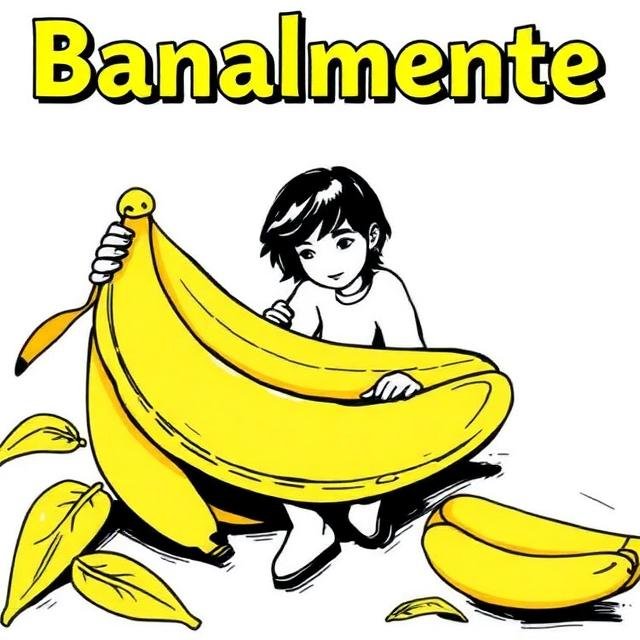
Table of Contents
ToggleThe word banalmente may look simple, but its exact meaning can change slightly depending on the context in which it is used. Many people search for the meaning of banalmente because they encounter it in conversations, books, online content, translations, or Italian-language expressions and want to understand how it should be interpreted. In general, banalmente is an adverb that can be translated as “banally,” “simply,” “in a banal way,” or, depending on the sentence, “quite simply.” It is related to the adjective banale, which describes something ordinary, obvious, common, unoriginal, or lacking originality. However, the word is not always negative. In everyday language, someone may use banalmente to simplify an explanation and mean something similar to “simply” or “to put it plainly.” Understanding the context is therefore important when translating or interpreting the word.
This complete guide explains the meaning of banalmente, its possible translations, common uses, synonyms, example sentences, and the difference between a literal and contextual interpretation. Whether you are learning Italian, translating a sentence, improving your vocabulary, or simply trying to understand a phrase containing this word, this article will help you recognize how banalmente functions in real communication. By the end, you will have a clearer understanding of when the word suggests something ordinary or unoriginal and when it is being used more casually to introduce a simple explanation.
What Does Banalmente Mean?
Banalmente generally means “banally,” “in a banal way,” or “simply,” depending on the context. The word comes from the Italian adjective banale, which means banal, ordinary, obvious, commonplace, or unoriginal. When the ending -mente is added, the adjective becomes an adverb, creating the meaning “in a banal manner” or “in a simple and ordinary way.” Like many words in natural language, its exact meaning depends heavily on the sentence and the speaker’s intention.
For example, if someone says that a person answered a question banalmente, the meaning may be that the person gave an obvious or unoriginal answer. In another context, however, a speaker may use banalmente to simplify a complicated idea, almost as if saying, “simply put” or “to put it plainly.” This is why translating the word mechanically as only “banally” may not always produce the most natural English translation. The best translation should consider the surrounding words, the tone of the sentence, and whether the speaker is criticizing something as unoriginal or merely simplifying an idea.
Banalmente Meaning in English
The most direct English translation of banalmente is “banally.” However, this translation is not always the most natural choice in everyday English. Depending on the context, banalmente can also be translated as simply, plainly, ordinarily, obviously, in a commonplace way, or in an unoriginal manner.
For example, the sentence “Ha risposto banalmente” could literally be translated as “He answered banally,” but a more natural English translation might be “He gave a very obvious answer” or “He answered in a rather predictable way.” Similarly, a phrase such as “Banalmente, il problema è che non abbiamo abbastanza tempo” could be translated as “Simply put, the problem is that we do not have enough time.” In this example, the word does not necessarily criticize the statement. Instead, it introduces a straightforward explanation.
This demonstrates why understanding banalmente meaning in English requires more than finding a single dictionary equivalent. The word can carry different shades of meaning, and context determines whether it sounds critical, neutral, or simply explanatory.
How to Use Banalmente in a Sentence
The word banalmente is normally used as an adverb, meaning that it describes how an action is performed or how an idea is expressed. It can appear at different points in a sentence, depending on what the speaker wants to emphasize. In some cases, it describes a behavior or action that is ordinary, predictable, or unoriginal. In other cases, it is used to introduce a simple explanation of something that may otherwise seem complicated.
For example, someone might say that a person “ha banalmente copiato”, which could mean that the person simply or plainly copied something. A sentence such as “Il problema è banalmente economico” could suggest that the problem is, quite simply, an economic one. Meanwhile, “Ha spiegato la situazione banalmente” may suggest that the person explained the situation in an overly simplistic or unoriginal manner. The surrounding context is essential because the same adverb may sound neutral in one sentence and negative in another.
These examples show that banalmente can be interpreted differently depending on whether the sentence focuses on simplicity, obviousness, repetition, or a lack of originality. When translating the word, it is often better to translate the meaning of the entire sentence rather than translating the adverb word for word.
Is Banalmente a Negative Word?
Banalmente is not always negative. Its meaning depends on the context and tone of the speaker. When someone says that an idea, answer, or explanation is banale, they may be criticizing it for being predictable, obvious, unoriginal, or too simplistic. In this situation, banalmente can also carry a negative meaning.
However, the word may also be used neutrally to simplify an explanation. For example, a speaker might say, in effect, “simply put, the situation is this.” In such a context, the speaker is not necessarily saying that the idea is worthless or unintelligent. Instead, the word may signal that the speaker is reducing a complicated issue to its most basic explanation.
This distinction is particularly important for language learners because dictionary translations often provide only the most direct meaning. In real communication, words gain meaning from context. Therefore, when you see banalmente, consider whether the speaker is describing something as ordinary and unoriginal or whether they are simply presenting a straightforward explanation.
Synonyms for Banalmente
Depending on the intended meaning, several words can be used as synonyms or near-synonyms for banalmente. If the word is being used to mean “in a simple way,” possible alternatives include semplicemente, in modo semplice, or in parole semplici. If the intended meaning is “in an obvious or predictable way,” alternatives may include expressions such as in modo ovvio, in modo prevedibile, or in maniera scontata.
In English, possible translations and related expressions include simply, plainly, obviously, in a commonplace way, predictably, unoriginally, and in a banal manner. However, these words are not always interchangeable. For example, “simply” is often neutral or positive, while “unoriginally” is clearly critical. Choosing the right synonym depends on the tone and purpose of the original sentence.
Banalmente vs. Semplicemente
One common question among Italian learners is the difference between banalmente and semplicemente. Both words can sometimes be translated as “simply,” but they do not always have the same emotional meaning.
Semplicemente usually means simply, merely, or just and is generally neutral. It is often used when someone wants to make a statement clear and direct. Banalmente, on the other hand, is connected to the idea of something being banal, obvious, ordinary, or unoriginal. Even when it is used to mean “simply,” it may sometimes suggest that the explanation is deliberately basic or perhaps overly simplistic.
For this reason, replacing banalmente with semplicemente may change the tone of a sentence. In some situations, the two words can be close in meaning, but in others, banalmente contains an additional suggestion of obviousness or lack of originality.
Why Context Matters When Translating Banalmente
Context is one of the most important factors when understanding or translating banalmente. A direct translation may be grammatically correct but still sound unnatural or inaccurate in English. For example, “He spoke banally” is technically understandable, but native English speakers may prefer “He gave a predictable answer,” “He explained it in an overly simplistic way,” or “Simply put, he said…” depending on the original sentence.
This is a common challenge when translating adverbs because a single word in one language may require an entire phrase in another language to communicate the same idea naturally. The translator must consider the speaker’s intention, the surrounding sentence, the subject being discussed, and the emotional tone. As a result, the best translation of banalmente may change from one sentence to another.
Common Mistakes When Understanding Banalmente
One of the most common mistakes is assuming that banalmente always means “simply.” Although this translation may be correct in certain contexts, the word can also express the idea of something being obvious, predictable, commonplace, or unoriginal. Ignoring these differences can lead to a translation that misses the original tone.
Another common mistake is assuming that banalmente is always strongly negative. In reality, the word can be used in a neutral way when someone wants to simplify an explanation. The best way to understand the meaning is to examine the complete sentence rather than relying on the word alone.
Language learners should also avoid translating every word literally. A natural translation is not always a word-for-word translation. When dealing with words such as banalmente, understanding the intended meaning is usually more important than reproducing the exact grammatical structure of the original language.
Why People Search for the Meaning of Banalmente
People may search for banalmente meaning for several reasons. Italian learners may encounter the word while studying vocabulary or reading Italian texts. Translators may need to understand its precise meaning before choosing the best English equivalent. People who have seen the word in a message, article, book, or conversation may also want to know whether it has a positive, negative, or neutral meaning.
The word is especially interesting because it can have different interpretations depending on context. Someone who only sees the dictionary translation “banally” may still be unsure how the word functions in a real sentence. By examining examples and related words such as banale and semplicemente, it becomes much easier to understand the subtle differences.
Conclusion
The word banalmente generally means “banally,” “in a banal way,” or “simply,” depending on the context. It is derived from the Italian adjective banale and can describe something ordinary, obvious, predictable, commonplace, or unoriginal. At the same time, it may also be used to introduce a straightforward explanation, making translations such as “simply put” or “quite simply” more appropriate in certain situations.
The most important thing to remember is that banalmente does not have one single translation that works in every sentence. Context, tone, and the speaker’s intention all influence its meaning. If the word describes an unoriginal answer or predictable action, “banally,” “predictably,” or “in an obvious way” may be suitable. If it introduces a simple explanation, “simply” or “plainly” may sound more natural in English. By understanding these different uses, learners and translators can interpret banalmente more accurately and use its meaning naturally in different situations.
Frequently Asked Questions About Banalmente
What does banalmente mean?
Banalmente is an Italian adverb that generally means “banally,” “in a banal way,” or “simply,” depending on the context. It comes from the word banale, meaning ordinary, obvious, commonplace, or unoriginal.
What is the English translation of banalmente?
The most direct translation is “banally.” However, depending on the sentence, it may also be translated as “simply,” “plainly,” “obviously,” “predictably,” or “in a commonplace way.”
Is banalmente the same as semplicemente?
Not exactly. Semplicemente usually means “simply” and is generally neutral. Banalmente is connected to the idea of something being banal, obvious, ordinary, or unoriginal, although it can sometimes be used in a similar way to “simply.”
Is banalmente a negative word?
It can be negative when it describes something as predictable, unoriginal, or overly simplistic. However, in some contexts, it can be neutral and simply introduce a straightforward explanation.
How do you use banalmente in a sentence?
You can use banalmente to describe an action or explanation that is ordinary, obvious, or simple. For example, “Banalmente, il problema era la mancanza di tempo” can be translated as “Simply put, the problem was a lack of time.”
What are synonyms for banalmente?
Depending on the context, related words include semplicemente, in modo semplice, ovviamente, in modo prevedibile, and in maniera scontata. The best synonym depends on the intended meaning.
What is the difference between banalmente and banale?
Banale is an adjective meaning banal, ordinary, obvious, or unoriginal. Banalmente is the adverbial form and means in a banal way, banally, or simply, depending on context.
Why is context important when translating banalmente?
The meaning of banalmente can change depending on whether the speaker is criticizing something as unoriginal or simply presenting an idea in a straightforward way. Therefore, the complete sentence should always be considered before choosing an English translation.

Mayci Neeley: Biography, Career, Personal Life, and Latest Updates

Mayci Neeley: Biography, Career, Personal Life, and Latest Updates

TS Escorts Glasgow: A Guide to Search Intent, Privacy and Online Safety

Кубок європейських чемпіонів: Історія, переможці, рекорди та шлях до сучасної Ліги чемпіонів

Comfortable Harness: The Complete Guide to Choosing the Perfect Fit Introduction

Billy Mary Ryan Ravenel: Everything You Need to Know About His Life and Family
Trending
 Tech2 months ago
Кубок європейських чемпіонів: Історія, переможці, рекорди та шлях до сучасної Ліги чемпіонів
- Fashion2 months ago
Comfortable Harness: The Complete Guide to Choosing the Perfect Fit Introduction
- NEWS2 months ago
Billy Mary Ryan Ravenel: Everything You Need to Know About His Life and Family
- Tech2 months ago
Cute Anime Wallpaper: The Ultimate Guide to Beautiful HD and 4K Backgrounds
- Tech2 months ago
God Wallpaper: HD, 4K, Beautiful Spiritual Backgrounds for Mobile & Desktop
- Business2 months ago
How to Change a Tire: The Complete Step-by-Step Guide for Beginners
- life style2 months ago
Suzanne Chase: A Complete Biography, Career Journey, and Life Story
- Tech2 months ago
Title: ABS Testauslösung: Ursachen, Durchführung, Fehlerdiagnose und Sicherheitsprüfung – Der komplette Leitfaden